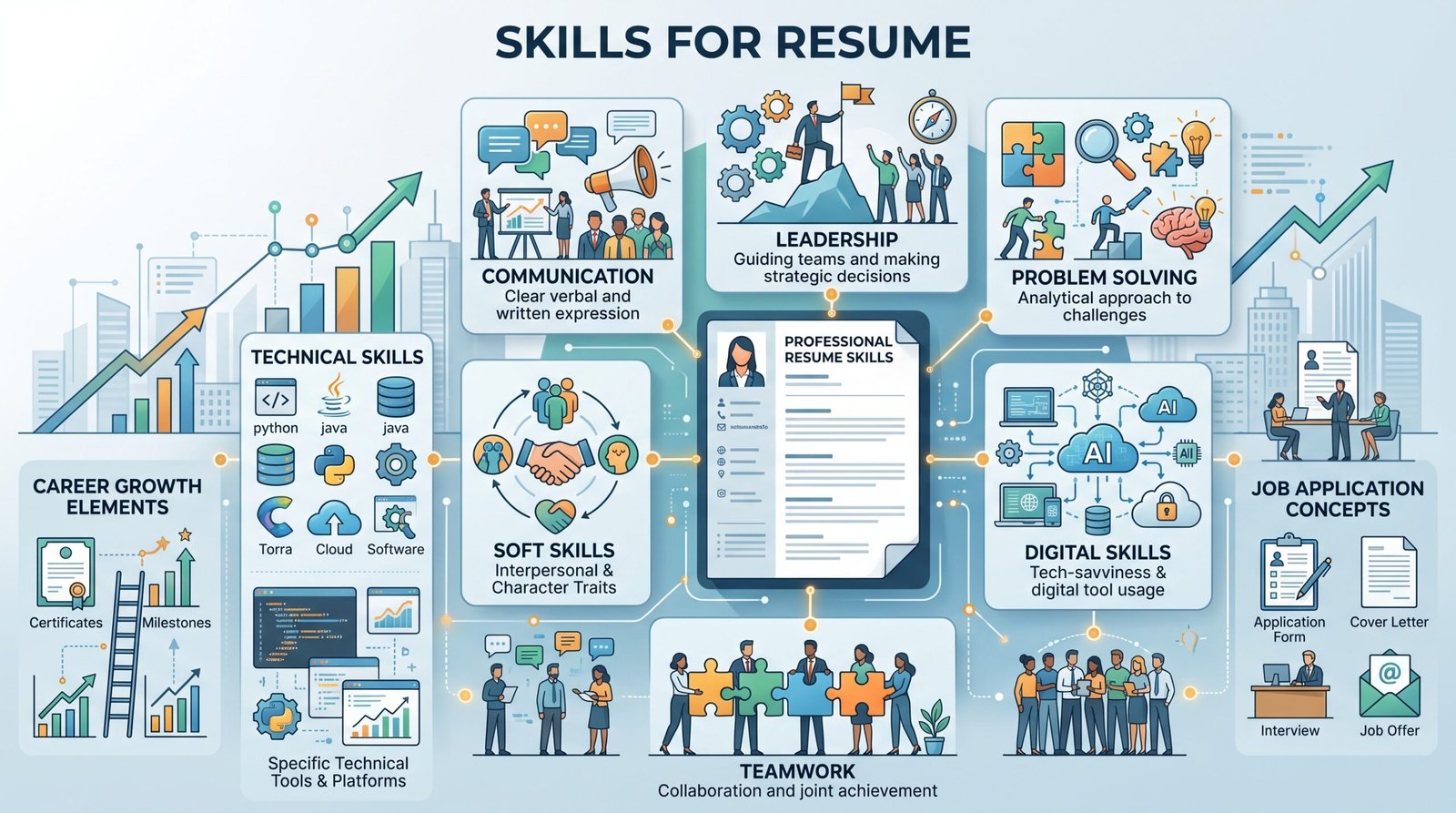
Skills for Resume: What Actually Gets You Noticed by Employers
Introduction
A resume is scanned, not in minutes, but in seconds. There’s no need to read every line, they’re recruiters. The skills section is important, therefore. It is the first place that they often check for the hiring manager.
Your resume can be in the front of the line if you have the right skills. The incorrect ones will push it right to the bottom. This article will shed light on which skills for resume really matter, and how to showcase them appropriately.
Why the Skills Section Matters So Much
Experience and education are the two key factors for most of the people who are seeking a job. That is logical, and it’s not the whole story.
The skills section can be the first place to determine whether or not you’re a candidate. It’s a quick filter, particularly when hundreds of applications are awaiting to be reviewed.
There are also automated systems in use among many companies, these are known as ATS, also known as applicant tracking systems. These systems review resumes for certain keywords prior to the time a HR reads them. If you aren’t an expert in any of the skills you have, you need to make sure they are clearly mentioned in your resume, or else you could end up losing out on a job.
Hard Skills vs Soft Skills
The first step to create strong resume understand difference between hard soft skills.
What Are Hard Skills?
Hard skills are skills that can be taught and are specific. They can be quantified, and are frequently directly associated with a position.
Data analysis, knowledge of coding languages, graphic design skills, accounting skills, knowledge of foreign languages all examples of skills needed to perform the job. These skills typically developed work experience, training, education.
What Are Soft Skills?
Soft skills are personal characteristics which impact interactions with others. These are more difficult to quantify, but also have a huge amount of value for employers.
These include communication, teamwork, adaptability and problem solving. A candidate who has good soft skills can easily fit into a team where the candidate with only technical knowledge may not fit.
Top Skills for Resume in 2026
Some of the skills are always listed on the resumes of the best candidates, in nearly all industries. Let’s consider the most beneficial ones.
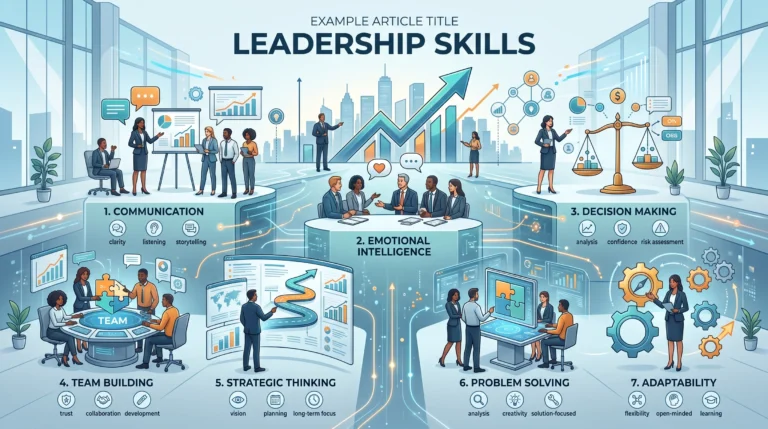
1. Communication Skills
You can’t do anything without communicating in some way, shape or form – written, spoken or electronic. Employers looking for candidates communicate ideas listen attentively.
This is even more important distributed or remote working situations miscommunication prone occur email chat.
2. Problem-Solving Ability
Employers not only looking for employees follow directions. They seek out individuals ability to think problem-solving handle unforeseen circumstances.
If you can explain a little bit about the problem solving which has taken place in the past, in detail, then this skill looks much more convincing on the paper.
3. Adaptability
Workplaces change quickly. New tools, new processes changing priorities become commonplace.
Candidates demonstrate adaptability by demonstrating cope change without ‘melting down’.
4. Technical or Industry-Specific Skills
These can differ according to your profession. An SEO or content strategy could be one of the items on a marketer’s checklist. A developer may choose to post python or java script.
Be sure customize skills to specific position for you applying. Skill lists are very generic.
5. Time Management
There are deadlines in nearly all jobs. Employers will want to see that you are able to complete multiple tasks on time.
This ability particularly crucial for jobs remote, no direct supervision only method of accountability self-discipline.
How to List Skills on a Resume Correctly
Just a random list of skills will not do. As well as skills, presentation and relevance are as important.
Match Skills to the Job Description
Make sure to read the job posting for any detail before writing out your resume. Emphasize the skills that are repeated throughout – and add those that actually apply to you.
This is the smallest of steps that can make the biggest difference to get past automated filters.
Use Specific Examples When Possible
Rather than just stating “leadership skills,” briefly describe a project or team that you led. Specific context will instantly put you in the right frame of mind.
Any skills that have numbers behind them and/or results behind them are even more convincing to the employer.
Avoid Overused, Vague Words
The phrase ‘hardworking team player’ has been overused and used to such an extent that it doesn’t actually mean much.
Common Mistakes to Avoid
Even if you very strong candidate, you can make minor mistakes your resume undo efforts.
- Including skills you don’t have that you think a person should have.
- Filling out a job application with the same cover letter and resume repeatedly.Mistaking the same resume and cover letter for every job application.
- Failing to pay attention to job requirements, such as the keywords in the job post.
- Including a lot of skills on the resume
By avoiding pitfalls, your resume better chance of passing muster software scanning people read .
Balancing Hard and Soft Skills
When youre writing a resume, best to mix hard soft skills, not just one. Good technical skills are evidence of the ability to complete the task. Soft skills demonstrate that you are able to do it well with others, under pressure and in a changing environment.
This equilibrium is becoming an increasingly appreciated attribute by employers particularly in professions that require teamwork and communication in everyday work activities.
Final Thoughts
The selection of skills to put on resume is not necessarily a comprehensive list of skills you have learned. It’s not about choosing the skills that are relevant to the role and about displaying them in an honest and clear manner.
Focus on relevance. Use real examples. Equip a combination of technical skills along with soft skills such as communication and adaptability.

FAQs
- What are the most important skills for resume?
This includes communication skills, problem solving, being adaptable having relevant technical skill.
- Should I include soft skills my resume?
Absolutely Soft skills such teamwork communication appreciated hard skills.
- How many skills should list resume?
Typically between 6 and 10 skills are relevant position, based on position industry.
- Do I need different skills for different job applications?
Yes, adapting one’s skills to the specific job description does make a lot of difference.
- What’s a common mistake people make with resume skills?
Running and copying of the same list of skills that they don’t have.