Leadership: How Great Leaders Inspire and Guide Others
Introduction
Leaders don’t one gives instructions or one big title. It’s about leading others, making right decisions assisting others to common objective. A good leader listener, clear communicator, accepts responsibility, remains calm challenging situations.
Leadership is evident school, family, business community. Leadership skills developed by anybody, practice, patience self-awareness. Great leaders don’t attempt to micromanage people. Rather, trust, back up team, troubleshoot inspire people to utmost potential.
What Is Leadership?
Leadership power to influence, lead support others towards shared objective. It’s not about task management decision making. A leader gets to know people and is aware of what to do to tap into their strengths.
For effective leadership, set direction. It assists individuals to comprehend what to do, and why. A good leader also accepts responsibility in case of failure rather than blame. In some instances, leadership manifest various ways.
Why Is Leadership Important?
Leadership significant group or organization’s success. Even a great team fail to achieve objectives not managed properly.
A good leader inspires people to trust in them to concentrate on them. Team members able to work purposefully aware of expected from them.
Leadership is also a factor in tough times. Unexpected changes, mistakes, problems are part of life. If the leader is calm, it can help a team to find solutions rather than get scared or confused.
Leadership Builds Trust
A Leader who is reliable, makes promises and is honest. They don’t keep vital information from their team. They also acknowledge their wrongdoings when it is required.
Leadership Improves Teamwork
There is a sense that good leaders are able to gather people together. A leader recognizes that each person has an individual skill, background and thought.
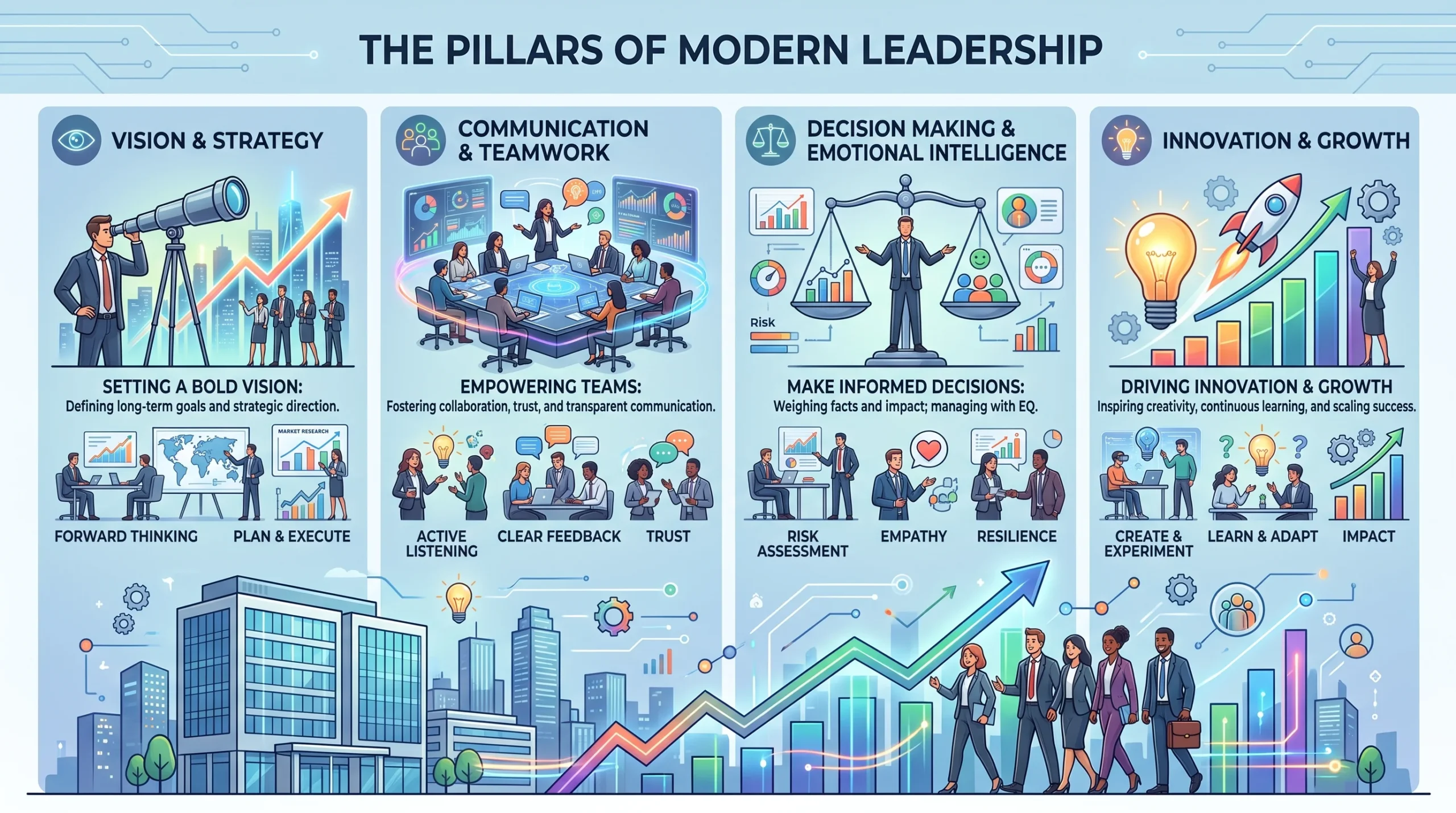
Key Qualities of a Good Leader
Leadership skills don’t confined those significant roles. These can be acquired and developed gradually.
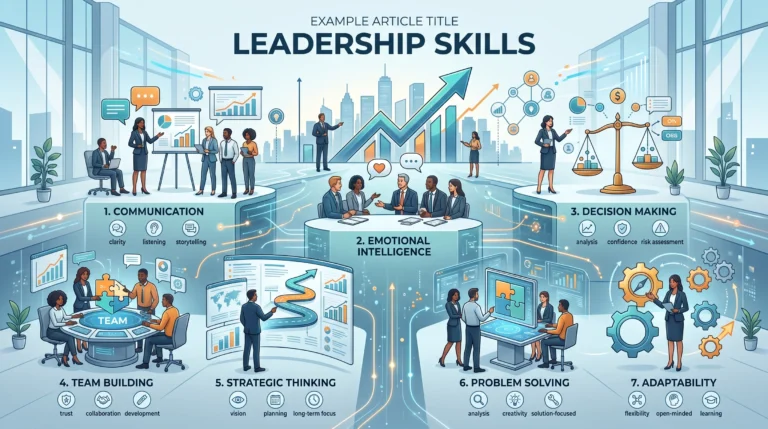
1. Good Communication
Effective communication is an effective leadership. One important characteristic of the leader is that he should make his ideas comprehensible and listen to others.
Another facet of good communication is when and how to listen and when and how to speak. Staff & team members must believe that they have a voice.
2. Confidence
A leader must have confidence in his decision making. This is not to be confused with the “savant” approach.
Real confidence is also having to face up to uncertainty and requesting guidance when necessary. A confident leader able make tough choices yet value respect other opinions.
3. Emotional Intelligence
EI enables leaders to aware of own emotions also others. A leader emotionally intelligent cope with stress, deal conflicts patient towards people. This leads healthier environment people feel respected.
4. Responsibility
Great leaders accept and are responsible for their choices. Don’t immediately take the blame on their team when something goes awry.
Respect is the product of taking responsibility. It also provides a learning experience to team members on the fact that errors can be opportunities to learn.
5. Ability to Listen
Listening is a skill that’s not widely used in the leadership arena. But a leader who is listening can learn about a problem before it “gets out of hand”.
Management might not be aware of any concerns or useful suggestions from employees. Allowing “space” for them to talk can result in better decisions.
Different Types of Leadership
No one leadership style is appropriate in every instance. Personalized methods required for different teams situations.
Democratic Leadership
Democratic leaders incorporate their staff in decision making. They seek input and evaluate various options in making critical decisions.
This style has the benefit of enhancing team working as people feel a part of the process.
Autocratic Leadership
Autocratic leadership focuses the greatest power in decision making in one person. This method is helpful if action needs to be taken immediately.
But this may result in team members thinking they’re ignored or undervalued if they see it too many times.
Transformational Leadership
Transformational leaders inspire others to develop and strengthen themselves. They concerned about making positive difference encouraging staff become more successful. This approach typical companies focus on innovation growth.
Servant Leadership
The Servant Leader is concerned with helping his/her team. They worked hard to know the needs of their people for success. They don’t control others by authority encourage others.
How to Develop Leadership Skills
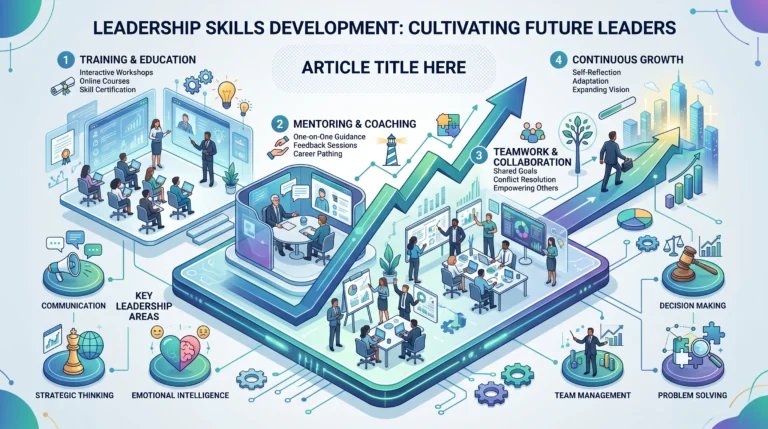
Leadership developed honed over time. Don’t need to be a manager first before beginning to develop it.
First, make an improvement in your communication. Pay people your attention when they are speaking and don’t anticipate what you’re going to say while they are talking. Another good tip is to learn from mistakes.
You enhance your leadership abilities reading books, attending training sessions, collaborating experienced professionals handling projects.
Leadership in the Workplace
The culture of the workplace directly influenced by leadership. Staff generally work effectively treated respect, supported appreciated.
A very effective workplace leader establishes clear objectives and gives relevant feedback. This can assist businesses find solutions and new opportunities.
Leadership and Personal Growth
Leadership has its uses in life beyond the world of work. It can also empower individuals for better personal performance, and make them responsible.
Communication skills help improve relationships. Responsibility help develop maturity. Maintain calm attitude to remain calm under pressure perform everyday situations.
Leadership also provides for you patience. Everyone doesn’t think and operate the same. A leader should know to accept differences rather being intent on having everyone act same way.
Common Leadership Mistakes to Avoid
Mistakes are possible for leaders, even the very good ones. Communication is an issue that is often encountered. If instruction is not clear, individuals can get confused.
One of the other errors is micromanaging. A constant focus on all of the little tasks can lessen confidence and creativity.

Final Thought
Leadership has nothing power. It is a matter of Responsibility, Trust, Communication Service. A good leader, knows balance lead yet allows people grow contribute.
The most successful leaders know didn’t get to by themselves. They take suggestions from teams, embrace errors, carefully before deciding support others improve skills.
These small disciplines can become effective leadership qualities if practiced throughout the years and will make you a person that others can rely on and follow.