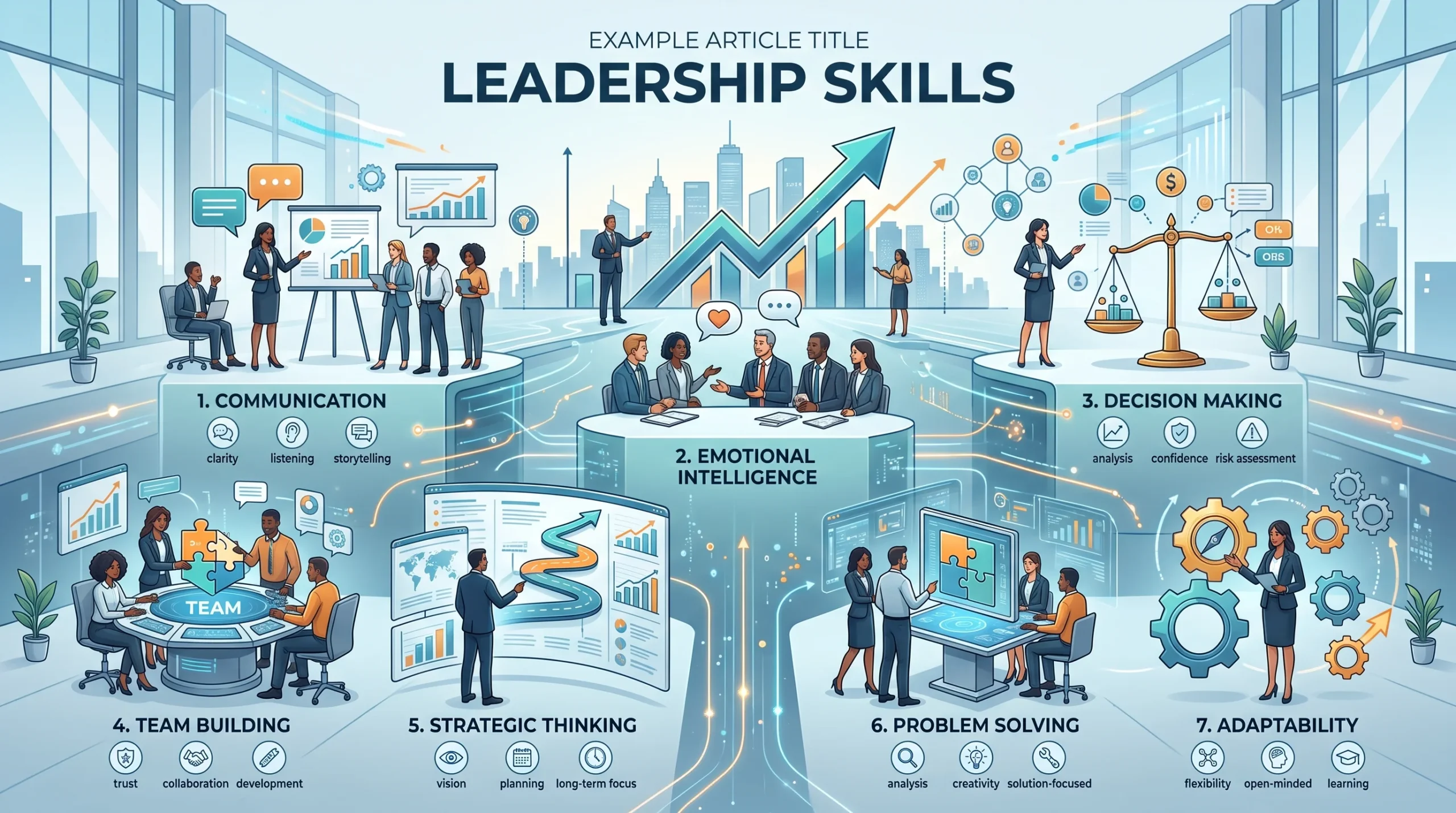
Leadership Skills: The Real Qualities That Make People Follow You
Introduction
There’s no overnight magic in making a good leader. They’re developed by mistakes, habits experience. Leadership key team’s success or failure stressful situations. There are some people who walk fear.
Others cut the trial, but they cut in trust. In the long run, the second type will always prevail. This article will take a close look at the real deal on leadership skills without all of the hype you’ll see on the internet.
What Are Leadership Skills, Really?
Leadership skills qualities essential to guiding, assisting influencing a group of people. They’re not concerned about issuing instructions.
Effective leaders listen more talk When things go wrong, they don’t get upset. They make decisions which are good for the team as a whole, not just for themselves. Leadership positions don’t require any special training. Not anybody is a Leader.
Why Leadership Skills Matter Today
The workplace very different one now 10 years ago. Teams have a more diverse mix. Work is frequently hybrid and/or remote. A leader’s transparency, flexibility and honesty are more important than ever.
Even the best of the plans can go awry if there is poor leadership. Individuals are not simply going along the plans. They follow people that they know.
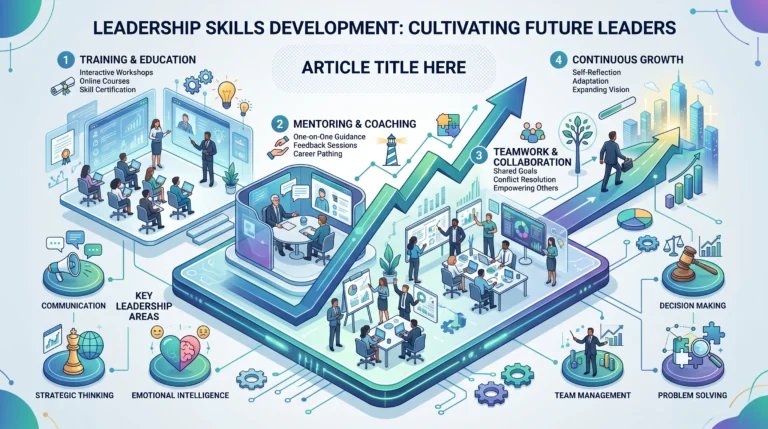
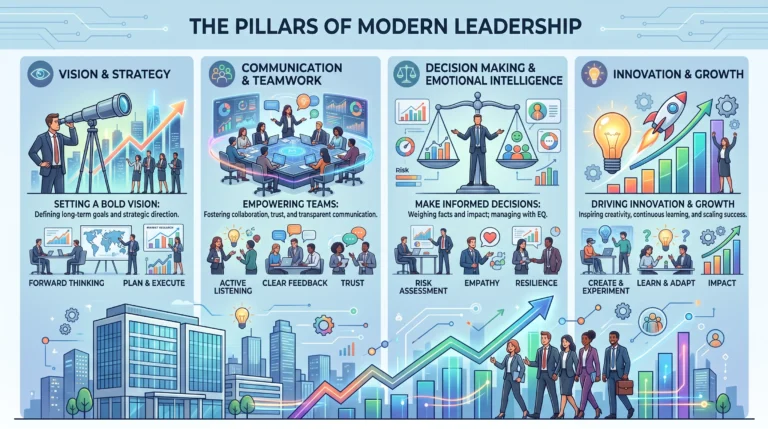
Core Leadership Skills Everyone Should Build
Let’s now discuss some of the skills that make the difference between average and great leaders.
1. Communication
This is the first one for a reason! Communication is one of the key areas that a leader will always be challenged in if they are unable to communicate well.
Communication is more than just a good talking job. It’s also about being able to hear, mind. It implies clarity of expression where the ideas are made clear to all regardless of their background and experience.
Communication is also effective in eliminating confusion. It saves time. It fosters trust between leader his/her team.
2. Emotional Intelligence
Leadership isn’t entirely about logic and strategy. It’s about being able to feel the emotions, your feelings, their feelings.
A good emotional intelligence leader picks up on when someone has a problem in their team. They respond in an empathetic way, not judgmental. This little thing can make all the difference in team morale.
People recall their leader’s attitude towards them. That’s sentiment that is bigger actual words.
3. Decision-Making
Leaders make decisions each every day. Some are small. Others have more dire consequences.
A great leader doesn’t wait for all the information before making a decision. They collect as much as they can, consider the hazards and proceed with assurance. It is better to be uncertain and take an action than to take an action and be uncertain.
But good decisions do count as well. However, if each option is considered too much, then the whole team will be stunted.
4. Accountability
No one undermines leadership more than when it’s taken responsibility for others. Good leaders take responsibility for errors public correct them privately.
This fosters team environment team members comfortable identifying own mistakes, rather being afraid. This develops workplace environment of honesty, not pressure over time. Accountability weakness. In fact, one of best indications of true leadership.
5. Adaptability
Plans change. Markets shift. Unexpected issues manifest themselves out of nowhere.
Fast learning leaders can maintain the stability of their teams amidst chaos. If don’t want change, tend to cause panic rather solutions.
When comes to being adaptable, don’t give up vision. It involves making change your strategy, but always ultimate goal mind.
How to Improve Your Leadership Skills
It’s not a fancy title required for building leadership skills Most great leaders habits even before able to lead a team.
Start With Self-Awareness
Be aware of your strengths weaknesses truthful with yourself. Seek to understand regularly listen despite don’t like to hear. Self-awareness basis for all things.
Practice Active Listening
Don’t plan still listening to a person Actually listen. Ask follow-up questions. Demonstrate an interest people’s ideas.
Single-handedly, this simple practice can change the image of you as a leader.
Learn From Other Leaders
Observe the way that leaders react to pressure, conflict & difficult conversations. Though not a verbatim copy, you can learn some valuable lessons from how they do it.
Whether it’s useful knowledge about how to do it or what not to do, books, mentors and even hard bosses can teach you something is useable.
Take Small Leadership Roles
There’s no need to hold management position lead. Do a volunteer project. Supervise a small group task. Be helpful to people when they are over done.
Little leadership experiences increase confidence for larger leadership responsibilities future.
Common Leadership Mistakes Avoid
There’s no need hold management position lead. Do a volunteer project. Supervise a small group task. Be helpful to people when they are over done.
- Some of the most common leadership mistakes listed here should be avoided.
- Leaders at all levels make mistakes from time to time. Some frequently made errors to avoid.
- Dealing with everything in minute detail
- Avoiding difficult conversations
- When claiming credit for what they have accomplished as a group
- Failing to take on board the team’s feedback
- Not establishing clear expectations
Don’t make all these errors you won’t perfect. It make you much effective respected.
Leadership Skills in Everyday Life
Leadership goes beyond office and job titles. The families are led by their parents. Coaches are the leaders of their team. A lot of times people’s decisions are made in a group, and they’re not aware that the group is making a decision for them.
These are all the same skills: communicating clearly, showing empathy, taking accountability and being flexible when things go wrong: these are all the same skills that are needed all the time, whatever is at stake. Developing them in everyday situations is a lot easier when it comes time for a job in leadership.
Final Thoughts
Leadership doesn’t only exist among the executives and managers. These skills learned by anyone require patience consistent practice of individual. Effective leaders clear, accountable flexible dealing unexpected changes. They not fear, lead with empathy.

FAQs
Which of the following are the primary leadership skills?
The most prominent traits are communication, emotional intelligence, decision making, accountability and adaptability.
Is leadership a learnt innate ability?
They certainly acquired over time from practice, feedback real-life experiences.
Is there need for manager’s position develop leadership?
No, not hard practice leadership skills in your everyday life, work, at home or with friends.
What do you consider number one “blunder” new leaders make?
Two early pitfalls are micromanagement and not having difficult conversations.
How is it to be a good leader?
No definite schedule is set.