
Salary Negotiation: How to Ask for What Your Worth
Introduction
Most everybody would prefer to go through a root canal than that they have to discuss their pay. It’s uncomfortable, dangerous and in all honesty a bit scary. But let’s face it, businesses demand it. They budget for it. The first number that they give you is not generally the last one. So if you don’t speak up, you’re missing out – and you’re missing out on thousands of dollars a year. Let’s fix that.
Why Salary Negotiation Feels So Uncomfortable
Talk about money and it is personal – it is business. It’s not easy for many ask for more because think asking for make them look greedy or ungrateful. Just people don’t know how to get a conversation going without coming across as awkward. This is normal discomfort, but shouldn’t prevent you from advocating yourself.
The Fear of Losing the Offer
One of the most common salary negotiation misconceptions is that you’ll lose out on the job if you put in a higher bid for your salary. Employers don’t back off from offers due to respectful negotiation. Most hiring managers expect it, and some value the candidates more for being able to do it with confidence.
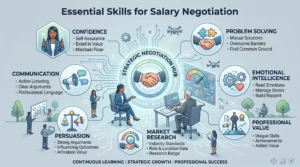
Before You Negotiate: Do the Groundwork
Knowing do a negotiation better being confident because of your personality. The biggest mistake people walking upright not preparing themselves.
Research the Market Rate
Research salary expectations Glassdoor, LinkedIn Salary, Payscale to find out you should expect to earn for your job, field, location. The mean range provides you with a reasonable guide for the range of your request.
Know Your Value
Clearly articulate your skills, accomplishments and experience that are relevant. Those numbers are persuasive during negotiations if you’ve saved any former employer money, made any project more efficient, or been successful in any previously led projects.
Understand Company Constraints
While salary may not be as flexible for a startup, they might offer more equity or flexible options. Larger companies may be more rigid with their pay bands, and may offer more signing bonuses as well. The more you know the better, you don’t want to go for a larger number, you want to go for the right number.
How to Actually Negotiate Your Salary
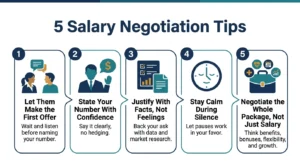
1. Let Them Make the First Offer
Try not to name a number first, if possible. Any time someone mentions a number first, he reveals information that the other can use to their advantage. If asked too early, say: “I would be interested to know what their budgeted range is for this job upfront.
2. State Your Number With Confidence
When make offer, you reply with a firm, definite number just a little higher your offer. Numbers that are rounded up sound arbitrary numbers specific, $78,500 rather than $80,000, appear more researched considered.
3. Justify With Facts, Not Feelings
Don’t say to yourself, “I really need this” or “I deserve more. Rather, refer to the data on the market, your experience and quantifiable outcomes that you’ve produced. Facts are persuasive. However emotions are valid and don’t often drive a business decision.
4. Stay Calm During Silence
Once said your number, fill silence nervous chatter Sometimes best keep your mouth shut. If you find uncomfortable, allow other side to speak first, wait few seconds.
5. Negotiate the Whole Package, Not Just Salary
If salary is not flexible, look for other perks negotiated, signing bonuses, additional vacation time, remote working options, professional development allocations, etc. These sometimes valuable little extra pay.
Quick Comparison: Negotiation Approaches
| Approach | Best Used When | Risk Level |
| Direct counteroffer | You have strong market data | Low |
| Package negotiation | Base salary is fixed | Low |
| Competing offer leverage | You have another job offer | Medium |
| Silence after stating number | Any negotiation stage | Low |
| Walking away | Offer significantly below market rate | High |
Common Mistakes to Avoid
Well-prepared candidates make minor errors which compromise their argument.
Accepting Too Quickly
When they say yes, you’ve just indicated you may have taken a lower offer. Taking a break – even a “think-time” break – can be helpful.
Comparing Yourself to Coworkers
Discussing salary colleague unlikely to improve situation raise issues workplace. Do instead adhere to your own market value individual achievements.
Negotiating Without Any Data
Being unprepared with only a gut instinct is quite a disadvantage to you in a negotiation. It’s not enough to just believe something, there needs to be numbers and evidence to back it up.
Final Thoughts
When negotiating salary it is not an aggressive or hard ball kind of deal. It’s about you knowing your worth and being able to state it in a firm manner, with solid preparation. The worst case scenario is likely to be a simple no.
Each time you make a calm and confident negotiation, you practice a skill that will reap rewards, perhaps for years, throughout your career. The number on table not always final answer.

FAQs
- Will detrimental ask for better salary?
Rarely. Most employers respect a request not rescind an offer.
- How much over the first bid should you go?
Its usually 5-15% up from the other market’s rates, depending on the research and your experience level.
- Will I be better off negotiating salary by email person?
It can work either way, easier natural, two-way communication talking over phone video.
- If employer states salary cannot be negotiated you do?
Focus on other perks bonuses, additional leave flexible working options.
- Are there some negotiation points for the first job?
Yes. Basic-level candidates can conduct a negotiation successfully, even with respect, particularly when they have done adequate market research to support their request.