Jobs: A Practical Guide to Finding the Right One
Introduction
The job search can work out to be a full-time occupation. The lack of responses from businesses you had hopes of, endless listings and confusing applications. It’s frustrating and it’s normal to be discouraged throughout the process.
Getting a good job isn’t a matter of chance. It’s a matter of strategy, patience and where to invest your efforts. The following guide explains it in an easy-to-understand manner.
Understanding the Modern Job Market
Theres no doubt job market is vastly different from 10 years ago. Having job evolved new ways remote work, freelance gigs, hybrid positions. Meanwhile, competition has grown with the ease with which hundreds of people can apply to the same job in just a few hours by filling out online applications.
Why Some Jobs Get Hundreds of Applicants
Application is often very easy on online job boards; with some platforms, you only need to click once to apply. This is awesome for those seeking employment, but for employers it also means they’re inundated with applications, and many of them will not be a close fit. Getting noticed isn’t all about the speed with which you apply.
Types of Jobs Worth Considering
Not all jobs are the standard 9 to 5 anymore. Understanding the choices available can assist you in selecting a road that really works for you.
1. Full-Time Employment
The most common structure presents consistent income, benefits long-term stability. It’s ideal for individuals prefer stability clear career path.
2. Part-Time Work
Part-time jobs are flexible right choice for students, parents others other commitments.
3. Freelance and Contract Work
Freelancing gives you flexibility not only with working hours, but also with clients, and you don’t have the same level of financial security. It’s suitable for those who have at-demand, specialized skills.
4. Remote Positions
There has been an increasing number of remote positions, where workers can work from home. This is a choice that will appeal to those who value flexibility over an office environment.
How to Actually Find a Job Faster
Sending out applications in an ad hoc manner isn’t a fast track to success. It’s better to be more focused when you do it.
Tailor Every Application
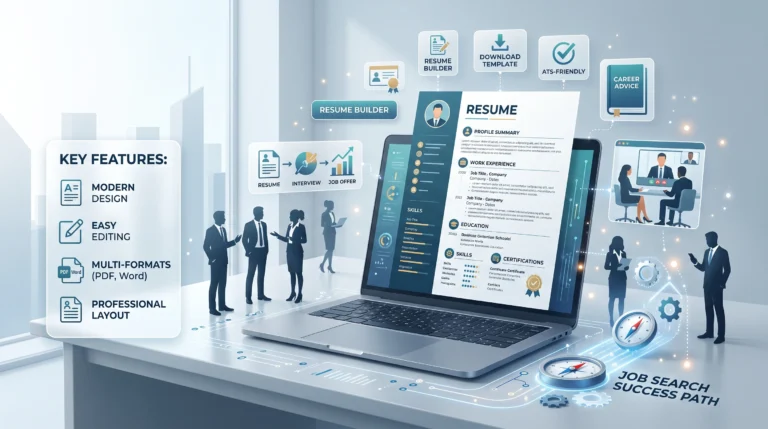
A general resume typically does not catch eye. Customize your resume cover letter to every position; emphasize skills experience relate directly job posting.
Use Your Network, Not Just Job Boards
In fact, a number of employment opportunities are filled before they are ever advertised. Talk to ex-colleagues, go to industry events, and inform people that you are looking for a new job. Reliance on personal connections can create opportunities which online applications can’t.
Follow Up Without Being Pushy
A friendly follow-up email sent one week after applying demonstrates your interest. It also ensures your app sticks out from dozens of apps received by hiring managers every day.
Prepare for Interviews Thoroughly
Do research company beforehand, know what they sell or do come up specific examples from past. If you are very qualified and give interview an answer vague, not going impress.
Quick Comparison: Job Types at a Glance
| Job Type | Stability Level | Flexibility Level |
| Full-time employment | High | Low |
| Part-time work | Medium | High |
| Freelance work | Low | Very High |
| Remote positions | Medium to High | High |
Common Job Search Mistakes to Avoid
Even the most motivated job seekers tend to fall into certain traps that take time from their job search.
Applying to Everything, Regardless of Fit
While it can be rewarding to apply in places that may not be ideal, it can also be time consuming and overwhelming. Concentrated applications tend to have more impact than diffuse.
Ignoring Your Online Presence
Employers view LinkedIn Profiles even social media before hiring. Even though your resume up-to-date solid, outdated or inconsistent online presence work against you.
Underestimating Soft Skills
While technical skills are important, communication, flexibility teamwork keys getting job two people exact same qualifications on paper.
Staying Motivated During a Long Job Search
The job hunting process take longer anticipated over time, rejection, whether expressed unexpressed, burden. It good small targets for each week rather just thinking of goal end. Acknowledge and celebrate progress milestones good interview helpful networking chat, etc.
Rejection Isn’t Always About You
Other times, companies select an employee from within, revise hiring objectives, or simply settle on an individual that has a few more specialized skill sets. The rejection more of indicator of the situation anything else.
Final Thoughts
It doesnt take luck to find right job. It requires a clear strategy, patience and a flexibility to streamline the way as you go. Target quality apps, connect people don’t let series of shows shake your confidence. Often, right job just down road once you begin looking for instead of looking for it.
FAQs
- About how long usually take find a job?
This can range from few weeks to a few months, depending specific job industry.
- Should you apply numerous jobs few specific ones?
There no doubt targeted applications will work better as the hiring manager more impressed a resume cover letter tailored to their specific company position.
- Is college education necessary to obtain a successful job opportunity in today’s society?
Not always. There are a lot of industries that now prefer this skill, certifications and experience as much as formal degrees.
- What is the importance of networking in getting a job?
Very important. Often times, best jobs not advertised but rather referred.
- If you rejecting multiple times, should you do?
Look back on your resumes been approaching interview, ask for feedback, keep mind being rejected not always about you.