The Honest Guide to Prompt Engineering Jobs: Skills, Salaries, and Real Career Paths
Introduction
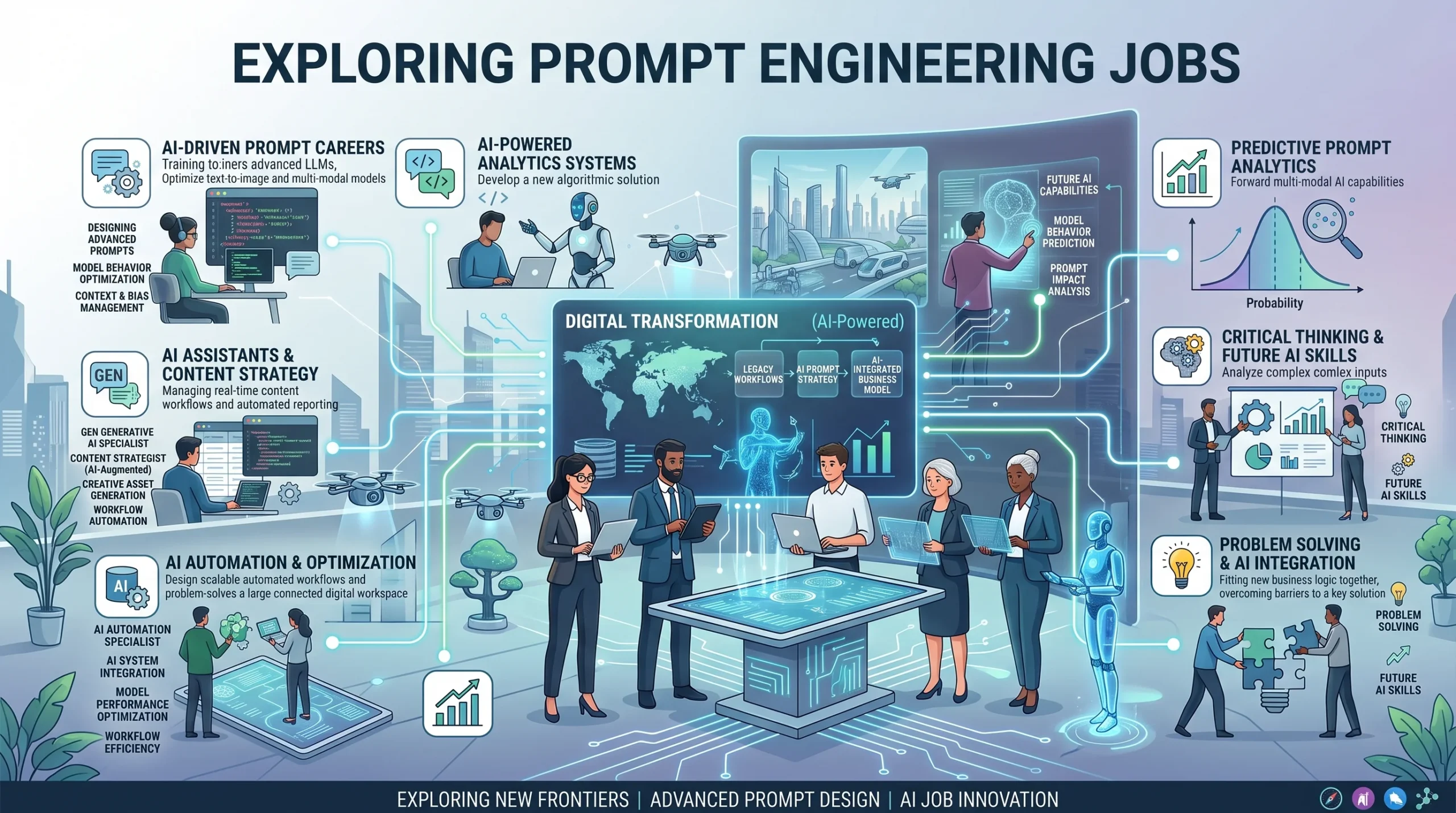
Back in day, you had write thousands of lines of complicated computer code to communicate computer. With today’s technology, you control incredibly powerful software clear sentences plain English. This shift meant prompt engineering jobs were born, and the ability to ask them precise questions and give them smart instructions became one of the most exciting and lucrative career paths in tech.
Companies across the board are interested in employing language tools that are modern but finding reliable, safe, and useful answers are not as easy as it sounds. An upfront look at the actual work, the skills required and how to land the job without all the industry jargon.
What Prompt Engineering Jobs Actually Involve
It’s like everyone assumes that prompt engineers make a ton of money simply for sitting in front of a computer and typing in casual questions into a chat box. Actually, the job is much more organized and quality assurance oriented.
Teaching Systems How to Behave
When a firm creates a customer service bot or an in-house research person, they can’t pay for out-of-the-box hallucinations or misinformation. A prompt engineer is the person who writes the hidden instructions for the tool, including the tone it’s supposed to use, where it is allowed to look for facts that are confirmed, etc. You establish the parameters that ensure that automated workflows are accurate, safe and on-topic.
Refining and Stress-Testing Outputs
Quality assurance is a large portion of the day to day work. You try out edge cases, feed it odd requests and weird parameters; watch how it fails. You discover a problem, edit the wording, add some context examples and make the logic perfect until the system produces perfect results every time.
5 Core Skills Needed for Prompt Engineering Jobs
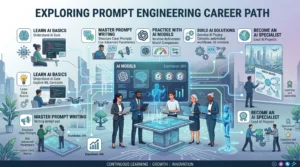
While a degree in software engineering isn’t required, it is imperative to have a keen observational ability for logic and language. These five skills will help you get the attention of recruiters.
- Clear, concise writing: There are words you have to get into a certain level of detail. The effectiveness of system to understand your instructions depends on choice of words, formatting rules structure.
- Hands-on understanding of Prompting Techniques: Knowledge of staple techniques, such few-shot prompting, chain-of-thought reasoning, system persona definitions.
- Knowing bit of Python basics of how to use application program interfaces (APIs) will enable test thousands of prompts automatically, rather typing them one by one.
- Critical Thinking and Logic: Dividing large business objectives into small steps and small bites takes critical thinking and logic skills.
- Deep Knowledge in a particular field: tech firms are seeking prompt experts with a niche background in something, such as legal writing, medical conditions, finance, or creative fiction, that can develop niche tools.
Comparing Prompt Engineering Career Paths
The field has rapidly branched off to become several career paths. The Table below provides some of the commonly held roles and what they require.
| Job Title | Core Focus | Daily Responsibilities | Typical Background |
| Technical Prompt Engineer | System architecture and model tuning | Connects prompts to APIs, tests large datasets, optimizes tokens | Computer science, data analysis, or scripting |
| AI Content Specialist | Creative workflows and copy generation | Drafts marketing templates, tone guides, and editorial prompts | Journalism, copywriting, or communications |
| AI Safety & Red Teamer | Security testing and risk management | Tries to break guardrails, find bias, and stop data leaks | Cyber security, legal, or ethics backgrounds |
| Workflow Automation Lead | Connecting tools into business pipelines | Builds automated agents that pull data and draft client emails | Business operations, project management |
How to Build Real Experience and Get Hired
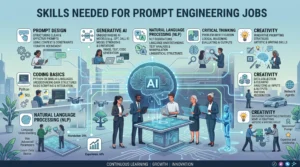
This is a new job field and most hiring managers are more interested in your practical than your college portfolio.
Build a Documented Prompt Library
Avoid stating to interviewers that you know how to prompt. Make a public portfolio on GitHub, Notion or personal website that showcases your real work.
Documenting Failures and Fixes
Present specific problem, initial bad output, and the modified prompt that you designed, and the final structured output. You can demonstrate your thinking by documenting your process, so that you show you can guide your outputs through a systematic process and not by chance.
Learn to Return Structured Data
Businesses don’t like to get blocks of text. They would like the data to be clean and well-structured, such as in a JSON format, spreadsheet or bulleted list, which can be imported into other software applications. If you can make models comply to strict formatting rules, you are a hot ticket to the technical teams.
FAQs
Do I need to know how to code for prompt engineering jobs?
Not just for lower-level or content-oriented positions, but becoming familiar with the basics of Python and API can lead to more lucrative technical roles.
As technology advances, will prompt engineering jobs become obsolete?
The role itself can become a regular software developer or business analyst, but the ability to lead and assess intelligent systems will be consistently needed.
What are the top industries that are hiring quick specialists?
The companies driving the hiring spree are customer support companies, digital marketing, legal tech, healthcare research, and software development.
In what tool order should I start?
Using the major platforms OpenAI’s playground, Anthropic’s Claude console, open-source models from Hugging Face, you’ll be able to observe differences responses from each system on same input.
Do I have the option to work from home in these careers?
Yes. Almost all the prompt engineering tasks involve only a computer, the internet and access to developer consoles, so remote working is very common.
Final Thoughts
With the advent of prompt engineering jobs, it’s clear to see that technology can generate new career paths in a surprisingly short time. It’s not necessary to have decades of coding experience to make a place for yourself in this space.
You can hone your writing skills to be clear, learn structured methods for tackling prompts, and create a collection of actual problem-solving samples to help you enter a new career path that is both rewarding and future-proof.